A walkthrough that follows moisture
Testing starts with building science basics: past leaks, humidity patterns, condensation points, and where air moves between levels, including basement-to-first-floor paths, attic bypasses, and return air paths.
Serving Pittsburgh, Pennsylvania & surrounding areas
Calls answered around the clock
Describe what you're seeing once and get connected with a local contractor who handles mold testing and sample-based results in Pittsburgh homes.
Describe the issue once
Connect with a local contractor
You choose whether to proceed
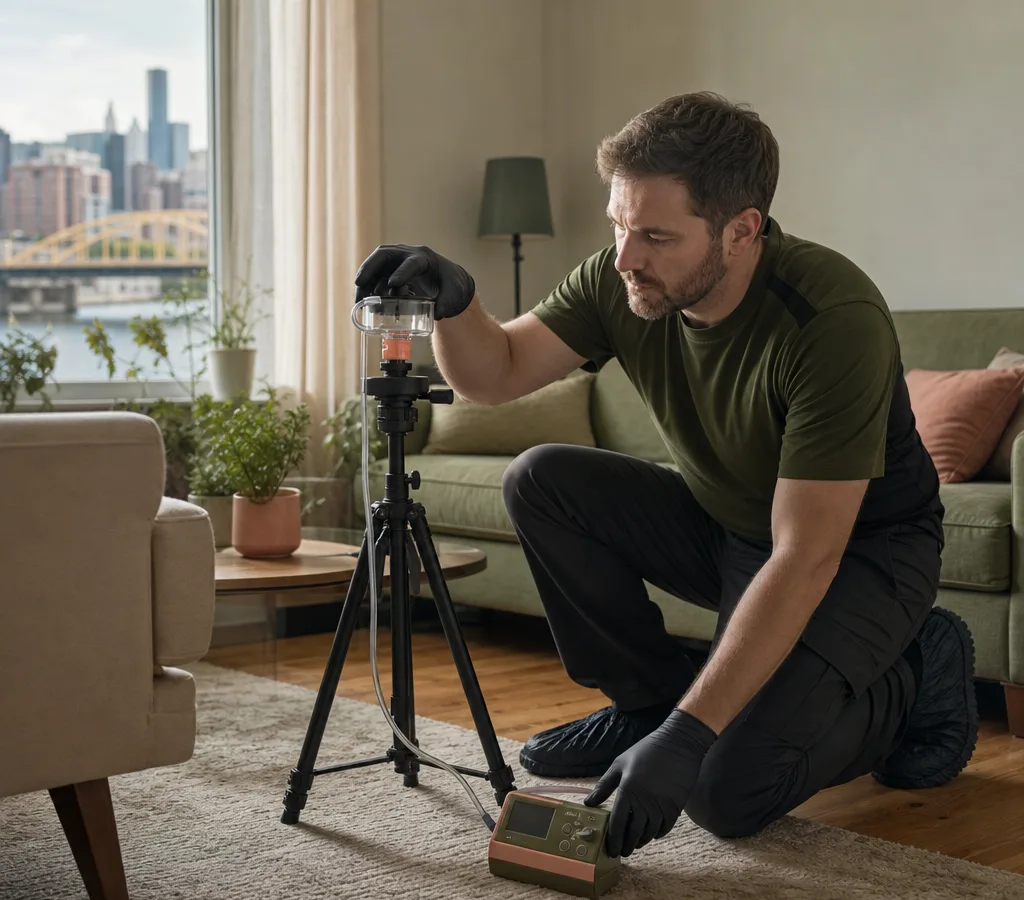
If you're searching for mold testing Pittsburgh homeowners can use to make a clear decision, the goal is simple: collect defensible samples, document conditions, and use lab results to confirm whether mold growth is likely and where it may be coming from.
A local contractor who focuses on testing typically starts by listening for the story: when the odor started, whether there was a past leak or flood, which rooms feel damp, and whether symptoms show up in one area or throughout the home. In Pittsburgh, that context matters because many houses have older basements, mixed foundation types, and additions that change how moisture moves through the building.
Mold testing is most useful when:
Testing is not a substitute for fixing water. Lab results help confirm what you're dealing with, but the next step is still identifying the moisture source and stopping it. If you already know there was significant water intrusion and building materials stayed wet, a contractor may recommend moving straight to moisture mapping and a cleanup plan, with sampling used to document conditions and guide containment.
When you call Pittsburgh Mold Removal, the job is to take your details and connect you with an independent local contractor who can talk through sampling options and what the results can and cannot tell you. If you already know you're headed toward cleanup, the connected contractor may also discuss how testing fits alongside mold removal in Pittsburgh.
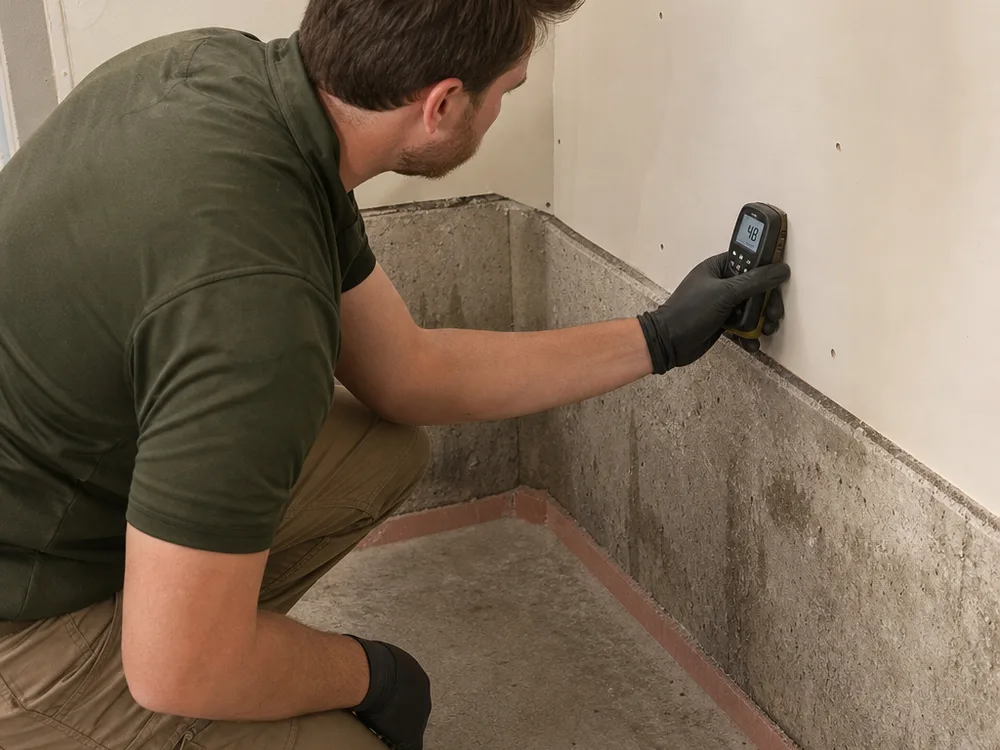
Testing starts with building science basics: past leaks, humidity patterns, condensation points, and where air moves between levels, including basement-to-first-floor paths, attic bypasses, and return air paths.
Air samples are placed where they answer a question, such as a suspected source area versus a comparison area. Surface samples are taken from growth-like spots to confirm what they are.
Expect documentation of visible conditions, moisture readings where relevant, and what was sampled and why, so the lab results connect back to a real decision.
The contractor should explain what the report means for your situation: whether results support active growth, whether a location stands out, and what to do next.
If cleanup is indicated, the conversation should cover scope and containment basics, what materials may need to be removed, and what moisture fix prevents recurrence.
Share where you see discoloration or smell odor, when it started, and any known water events such as a roof leak, plumbing leak, basement seepage, ice damming, or HVAC condensation.
You get connected with an independent contractor who serves the Pittsburgh area and handles sampling and lab coordination for residential properties.
You can ask what samples make sense for your goal: confirming growth, checking an area with odor, documenting conditions for a plan, or focusing on a specific room.
The contractor reviews lab findings with you and outlines practical next steps. You decide whether to proceed with any additional work.
If you're trying to make sense of a musty smell, visible spotting, or a past leak, describe the situation once and get connected with a local contractor who can collect samples and walk you through the lab report.
CALL NOW: 412-899-1978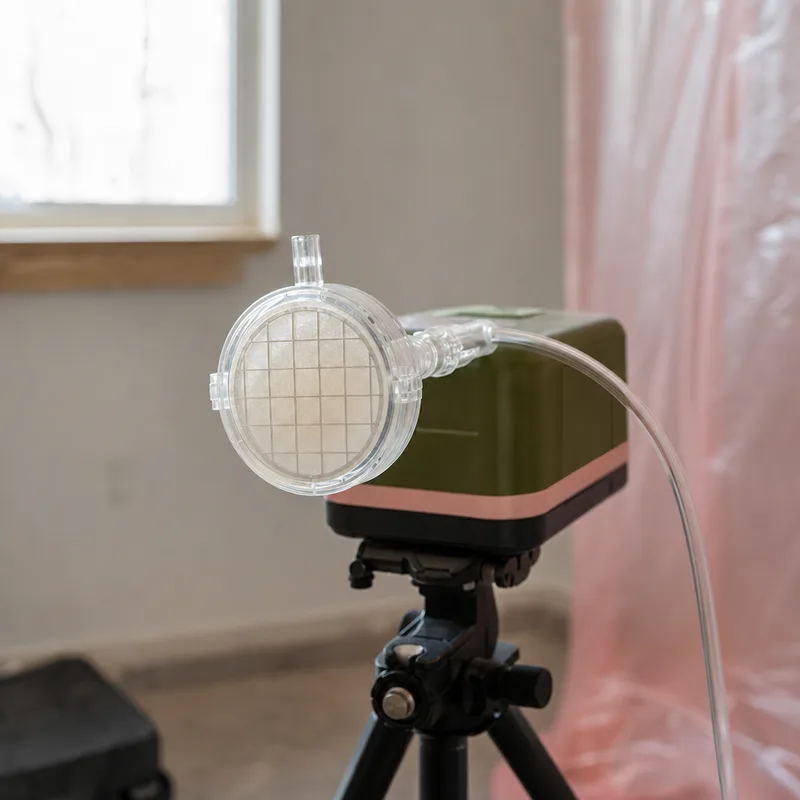
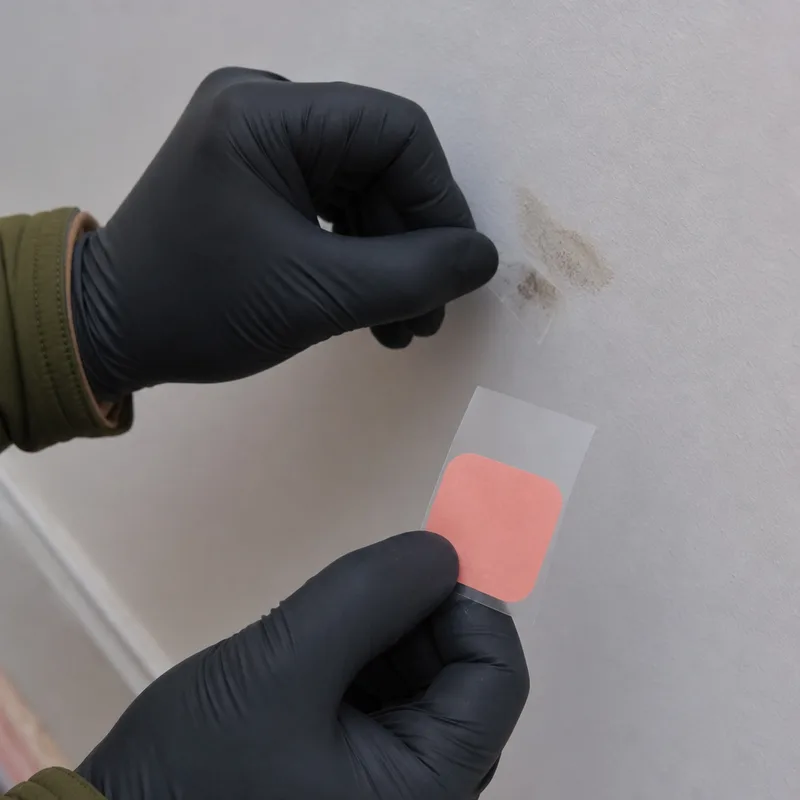
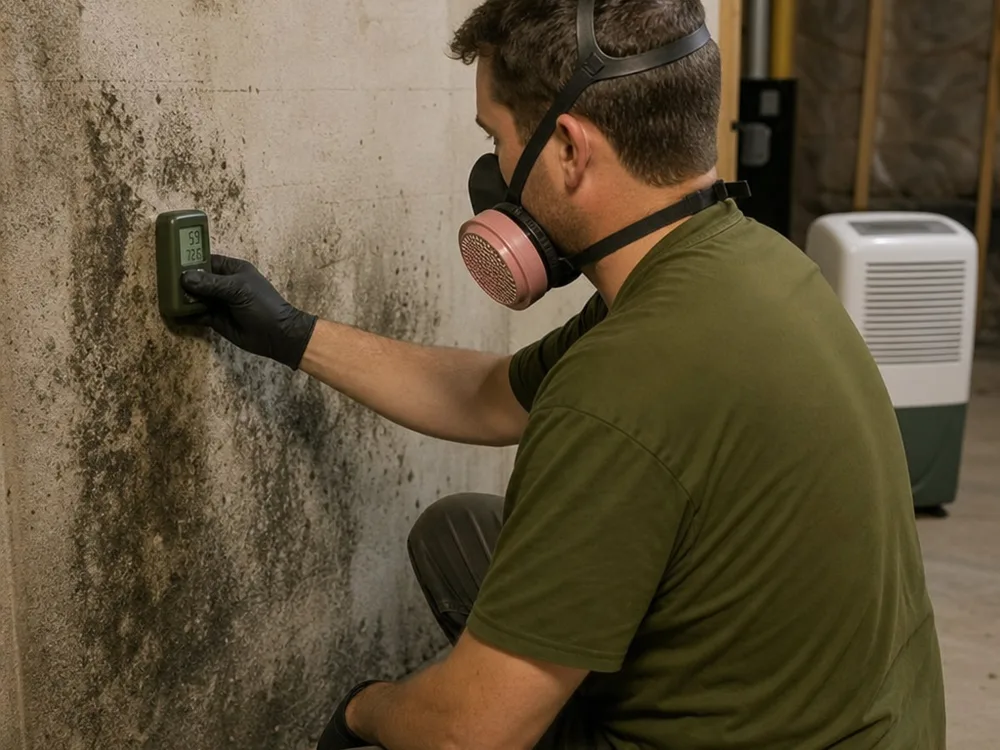
Air sampling measures airborne particles collected over a set period, while surface sampling checks what's on a specific spot you can see. In many Pittsburgh homes, air sampling helps compare a suspected area, such as a basement storage room, to a cleaner comparison area, and surface sampling helps confirm whether a stain on drywall, wood framing, or insulation is mold.
If growth is obvious, the immediate priority is stopping moisture and planning cleanup, and testing is optional depending on your goal. A contractor may recommend sampling when you need documentation, when multiple areas are involved, when you're trying to confirm whether what you see is mold, or when you want results to guide how much material should be opened or removed.
Keep conditions typical and avoid activities that artificially change air conditions right beforehand. If possible, don't disturb the suspected area, don't run fans directly at it, and don't wipe or spray cleaners on the spot you want sampled. The contractor may also ask you to secure pets and make sure the suspect rooms, attic access, or basement areas are reachable.
A testing-focused visit usually includes basic moisture context because results are hard to interpret without it. Expect questions about roof leaks, plumbing leaks, basement seepage after storms, bathroom ventilation, and condensation on ducts or windows. If the situation points to a building or drainage issue, the contractor may recommend additional evaluation so you are not sampling repeatedly without fixing the cause.
Yes, and that's one reason sampling is useful when odor is the main complaint. Damp building materials, wet carpeting or padding, stored items in a humid basement, and organic debris in a crawlspace can all produce odor. A contractor may pair sampling with humidity checks and targeted inspection around likely sources such as sill plates, rim joists, and behind finished basement walls.
Lab results help support whether there's likely active growth, whether one area stands out compared to a reference area, and whether the material sampled matches what's expected from the visible conditions. The contractor who reviews the report should translate it into a practical plan: where containment might be needed, what materials may need to be removed, and what moisture correction keeps the problem from returning.
You'll be connected with an independent local contractor who handles mold testing and can answer questions about sampling options and what information they need from you. You speak with the contractor directly, and you decide whether to move forward after you understand the approach and the results.
Describe what you've noticed, where it's showing up, and any past water problems. We'll connect you with a local Pittsburgh-area contractor who can handle mold testing, coordinate lab results, and explain what the report means for your next step.
Back to Pittsburgh mold removal for the full range of services.