Describe it once
Share where the growth is, what it looks or smells like, and what caused the moisture. Then you're connected with a local contractor who handles this kind of job.
Serving Pittsburgh, Pennsylvania & surrounding areas
Calls answered around the clock
Describe what you're seeing once and get connected with a local contractor who handles mold cleanup, drying, and indoor air concerns in Pittsburgh-area homes.
Describe the issue once
Connect with a local contractor
You choose whether to proceed
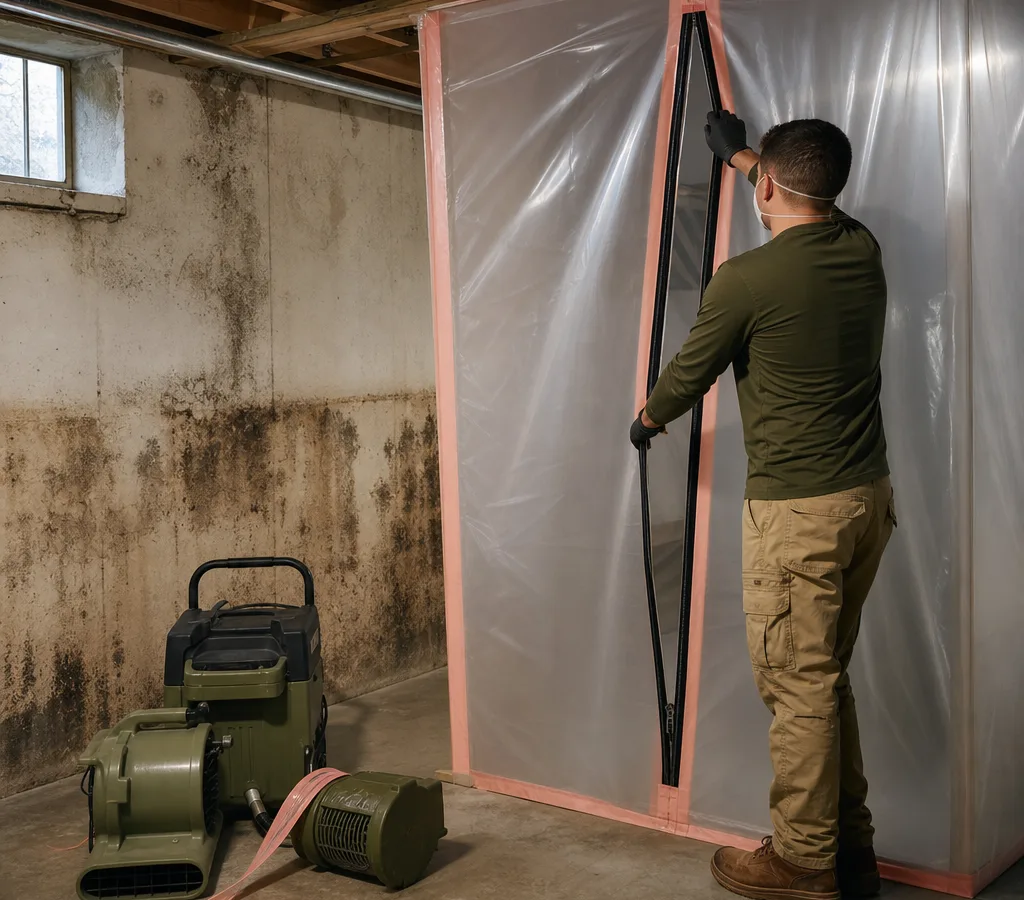
When people search for mold remediation Pittsburgh, they're usually dealing with two problems at once: the mold they can see or smell and the moisture that keeps feeding it. A proper remediation plan addresses both.
Mold remediation is different from a quick surface wipe. A contractor's scope typically includes:
In Pittsburgh, basements and lower levels are common trouble spots because older foundations, finished basements, and seasonal humidity can create long-lived damp areas. Older housing in Bloomfield and the South Side Flats may have fieldstone or older block foundations, while hillside areas such as Mount Washington can also require attention to gutters, grading, and downspouts.
Some jobs stay small. If framing, insulation, or HVAC components are involved, the contractor may recommend broader containment and a staged approach. When you call, describe the location, odors, affected materials, and any recent water issues.
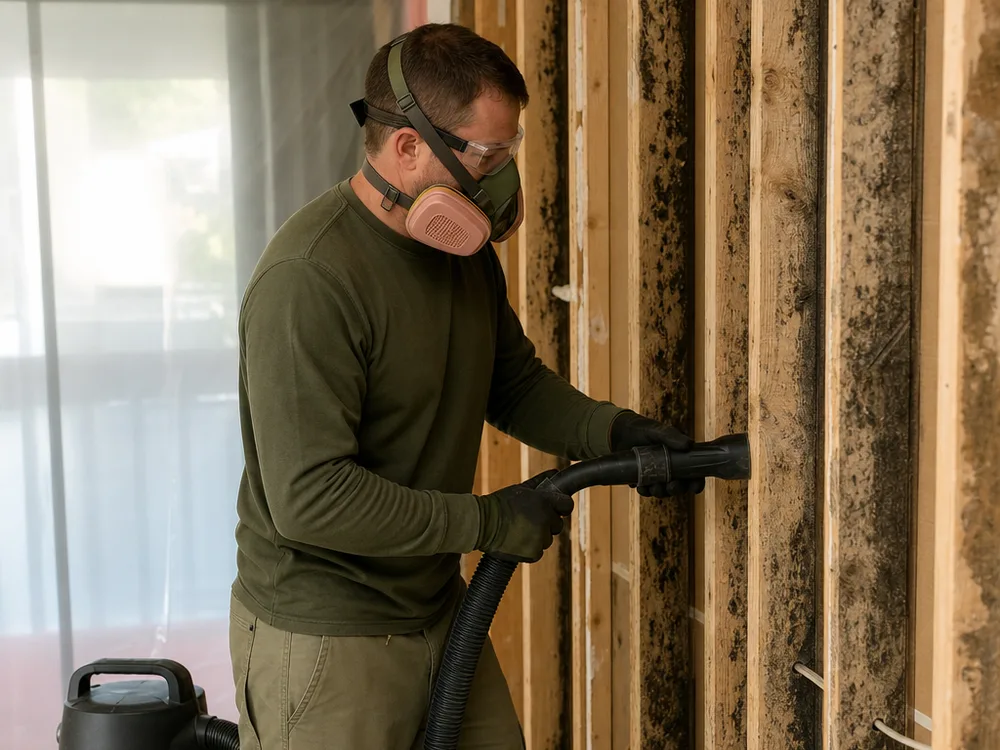
Share where the growth is, what it looks or smells like, and what caused the moisture. Then you're connected with a local contractor who handles this kind of job.
Some situations need containment and material removal; others need drying and moisture correction first. The contractor can sort scope based on your details.
Pittsburgh homes often have basements, older foundations, and finished lower levels. Local contractors are used to tracking moisture through these layouts.
You talk directly with the contractor, ask questions, and decide whether to move forward once you understand the plan.
A good remediation conversation centers on the moisture source, affected materials, and what will be removed versus cleaned and dried.
You describe where the issue is, how long it has been happening, any recent leaks or flooding, and whether anyone has sensitivities. We use that to connect you with a local remediation contractor.
The contractor looks for wet building materials and likely sources such as plumbing leaks, foundation seepage, roof leaks, condensation, or poor ventilation.
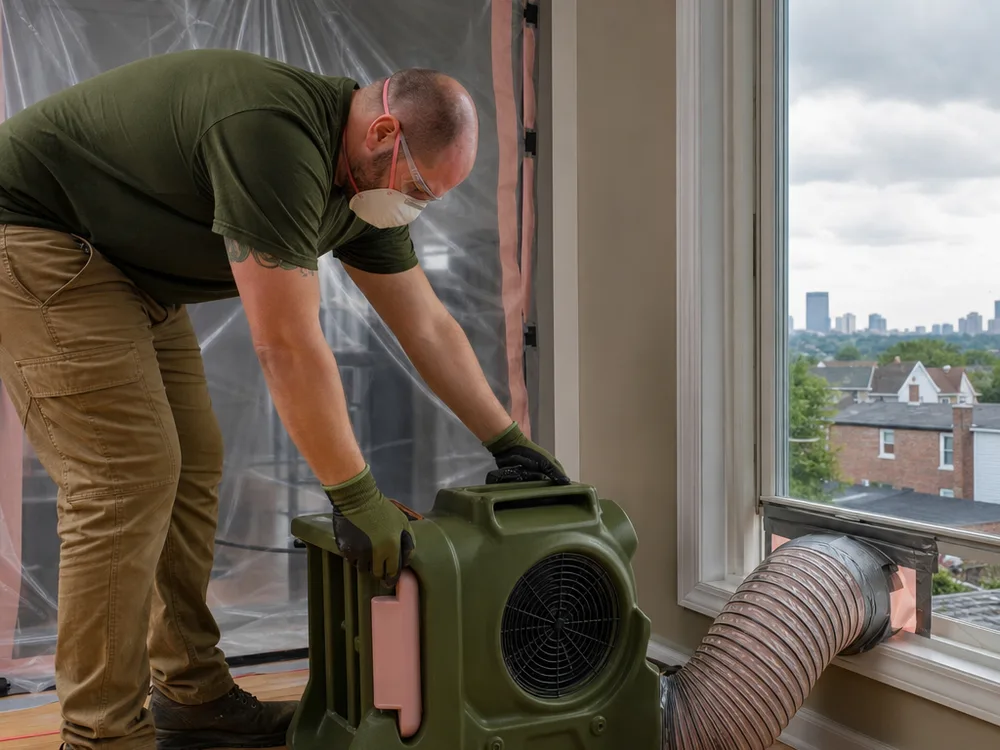
If materials will be disturbed, the work area is isolated with plastic barriers. Depending on the situation, negative air machines and HEPA filtration may reduce cross-contamination.
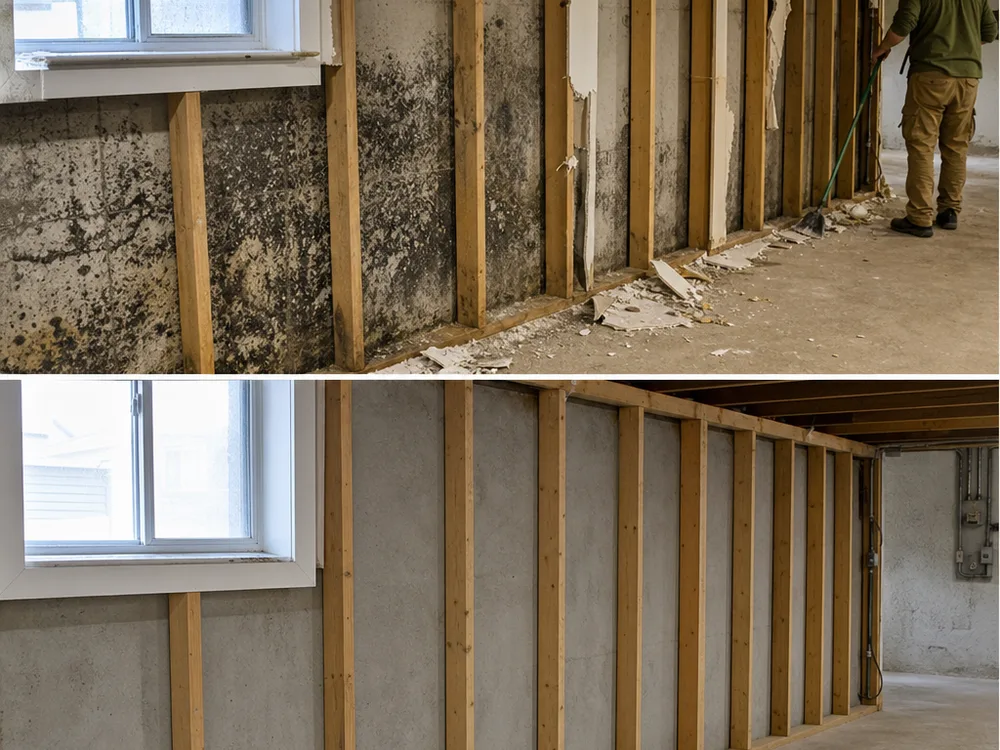
Damaged porous materials are removed and bagged out. Remaining framing or masonry is cleaned, while drying and dehumidification continue until conditions are stable enough for repairs.
After cleanup and drying, the contractor explains what was done and what comes next, including repairs, sealing, ventilation changes, or water-management updates.
If you're seeing spotting on drywall, musty odors, or recurring dampness, one call can connect you with a local contractor who can inspect and explain the next steps.
CALL NOW: 412-899-1978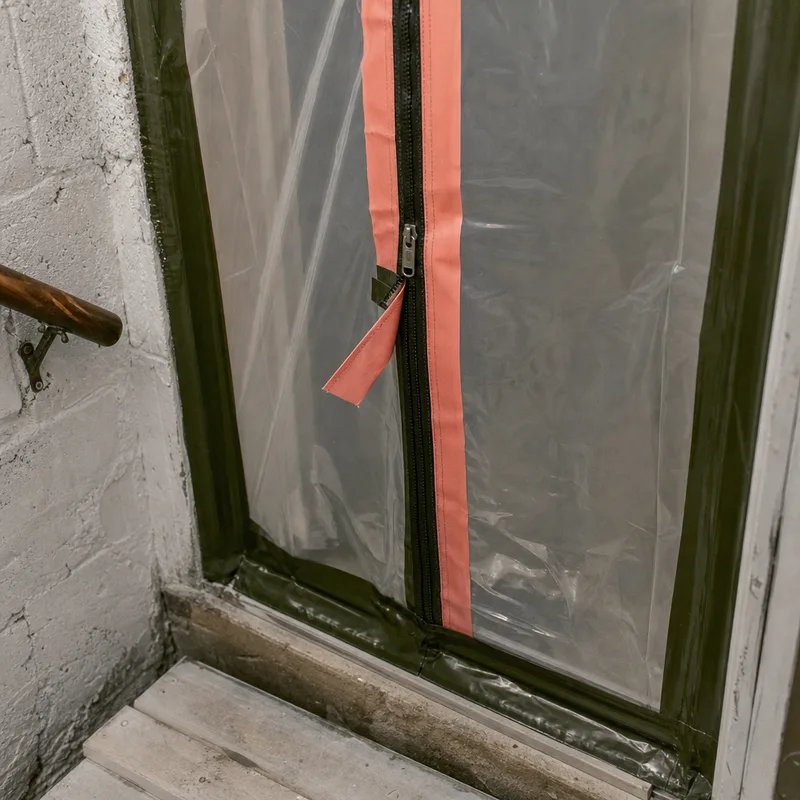
Start with the room or area, what you see or smell, and any recent water events. Helpful details include whether it is on drywall, wood, or concrete, whether the area feels damp, and whether there have been leaks, gutter overflow, or basement seepage.
Mold returns when moisture remains in the material or the surrounding air stays humid enough for growth. A contractor focuses on the moisture source, then decides what needs removal versus cleaning and drying.
The decision usually comes down to the material and how far contamination has penetrated. Non-porous or semi-porous surfaces may be cleaned, while affected porous materials such as drywall and insulation are commonly removed.
Disturbing mold can release spores, which is why containment matters when demolition or aggressive cleaning is needed. Ask what barriers, adjacent-room protection, and air filtration the contractor plans to use.
Not always. Visible growth plus a moisture problem may be enough to plan remediation. Testing may be considered when the source is unclear, symptoms do not match what is visible, or documentation is needed.
If mold or heavy dust is near returns, the contractor may recommend isolating or shutting down the system during parts of the work. Signs that the system itself is affected may call for a separate HVAC-focused evaluation.
That depends on where the work is and how extensive the containment and demolition will be. Tell the contractor if anyone has asthma, allergies, or sensitivities so they can discuss access, ventilation, and work boundaries.
Call Pittsburgh Mold Removal and describe the area, what you've noticed, and any recent water issues. You'll be connected with a local contractor who can inspect, explain options, and handle the remediation if you choose to proceed.
Back to Pittsburgh mold removal for the full range of services.