Describe the problem once
Tell us where the growth is, what caused the moisture, and what you've noticed. We use that information to connect you with a contractor who handles this scope.
Serving Pittsburgh, Pennsylvania & surrounding areas
Calls answered around the clock
Describe what you're seeing once and get connected with a local contractor who handles indoor mold cleanup and black mold removal in Pittsburgh-area homes.
Describe the issue once
Connect with a local contractor
You choose whether to proceed
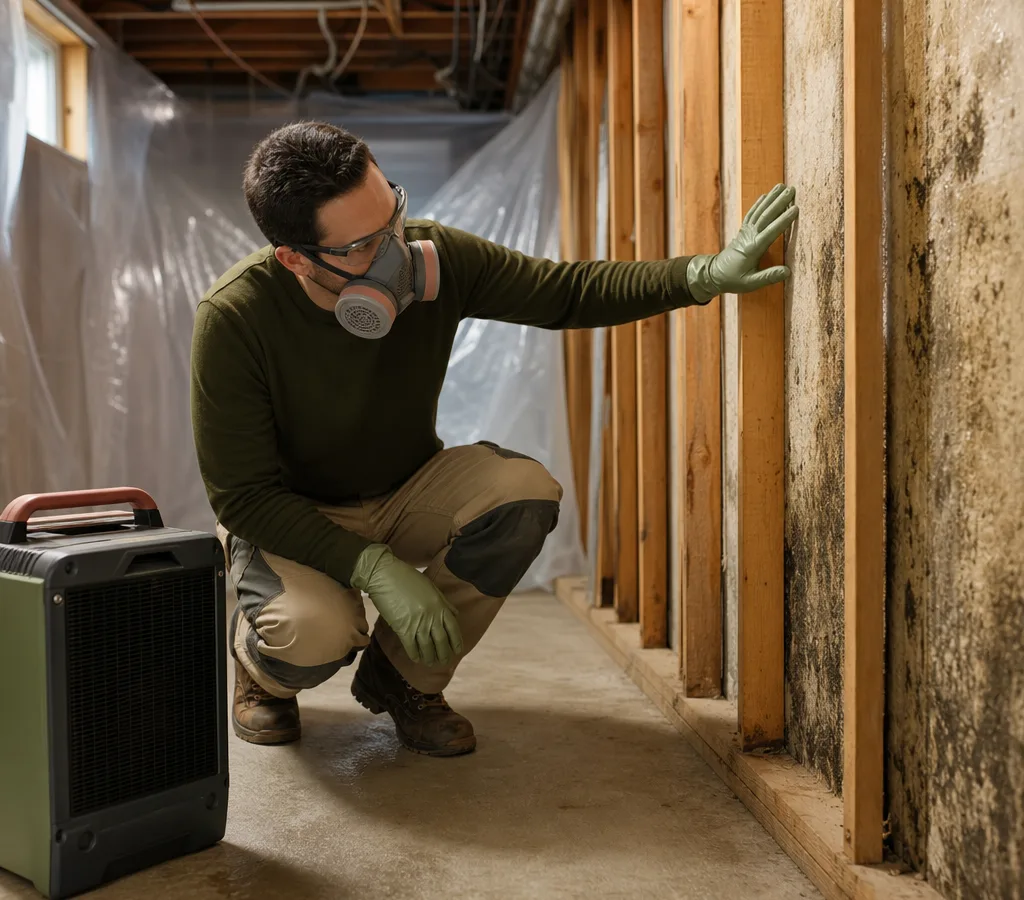
If you're searching for black mold removal Pittsburgh PA, you're usually dealing with more than surface staining. Mold shows up when moisture sticks around, and in Pittsburgh that often means basement humidity, an unnoticed plumbing leak, a roof or flashing issue, or water intrusion after heavy rain.
A proper mold removal job is built around two goals: keeping spores from spreading through the home and removing contaminated material so growth can't restart.
Here's what a local contractor typically does on a black mold removal job:
Older Pittsburgh housing can have connected air pathways between basements, wall cavities, and upper floors, making containment especially important when contaminated material is disturbed.
Pittsburgh Mold Removal is a referral service. Share the details once and get connected with a local contractor who can evaluate the situation and explain the next steps for your home.
Tell us where the growth is, what caused the moisture, and what you've noticed. We use that information to connect you with a contractor who handles this scope.
You're connected with an independent contractor who serves Pittsburgh and nearby communities, not someone routed in from hours away.
Black mold removal is as much about controlling spread as cleaning. Ask the contractor how they isolate the area and manage airflow.
The contractor can explain what materials might need removal, what areas need access, and what stays off-limits during cleanup.
You speak with the contractor directly, hear their approach, and decide whether to move forward.
Describe the room, the affected surface, the approximate area involved, and any odor or recent water event.
We connect you with a local contractor so you can discuss the suspected cause, access constraints, and what cleanup may involve.
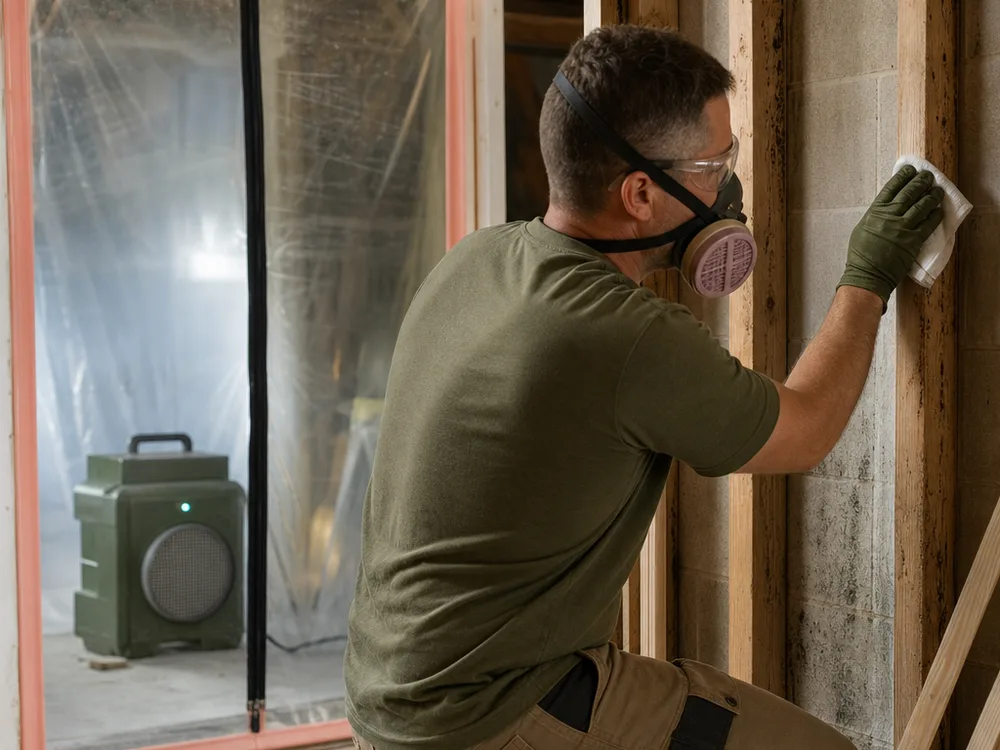
The contractor checks moisture sources, identifies materials likely to be removed versus cleaned, and explains containment, filtration, and drying.
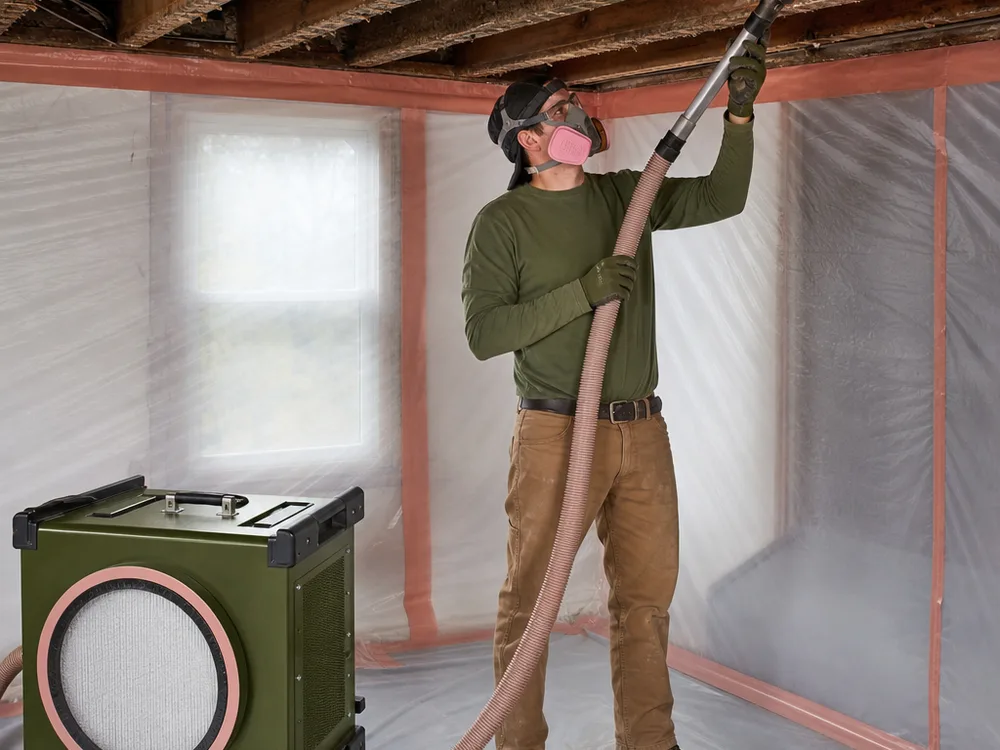
Work generally starts by isolating the area, then removing contaminated porous materials, cleaning remaining structures with HEPA methods, and drying the space.
Expect recommendations tied to Pittsburgh conditions, such as managing basement humidity, improving ventilation, and addressing leaks or seepage.
If you suspect black mold, describe the moisture source, affected material, and how long it has been there once by phone. Get connected with a local contractor who can take it from there.
CALL NOW: 412-899-1978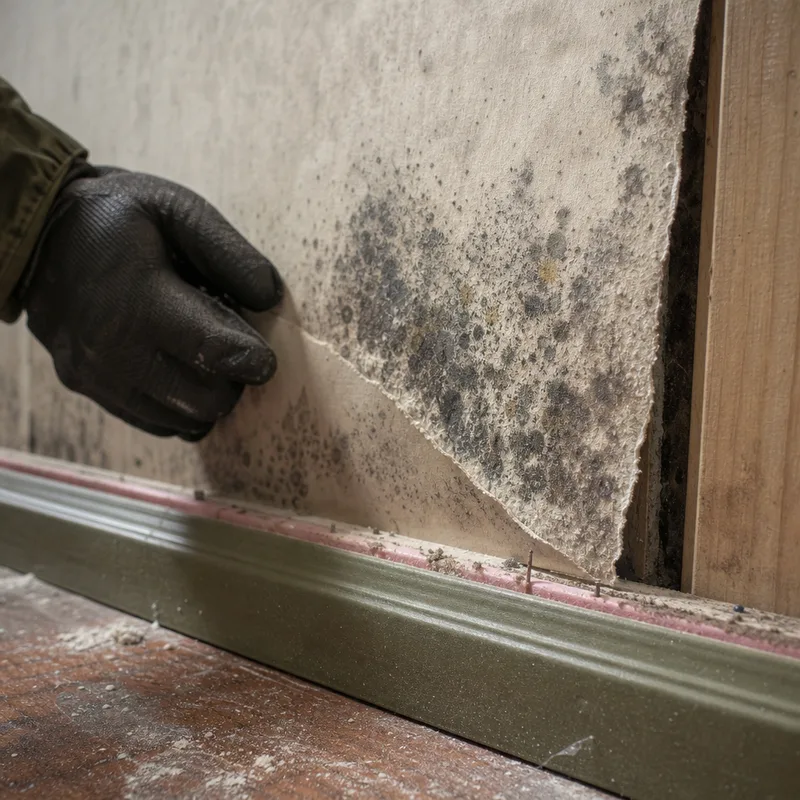
Color alone can't confirm the species, so contractors treat suspicious growth as a contamination problem and focus on safe removal and moisture control. Dark growth can be a mix of mold types plus dirt or soot; what matters most is whether the material is damp, porous, and actively supporting growth.
Share where it is, the affected surface, roughly how much area is involved, whether anything is currently wet, and what happened before it appeared. If there's a musty odor, mention when it is strongest because that can hint at hidden growth behind finishes.
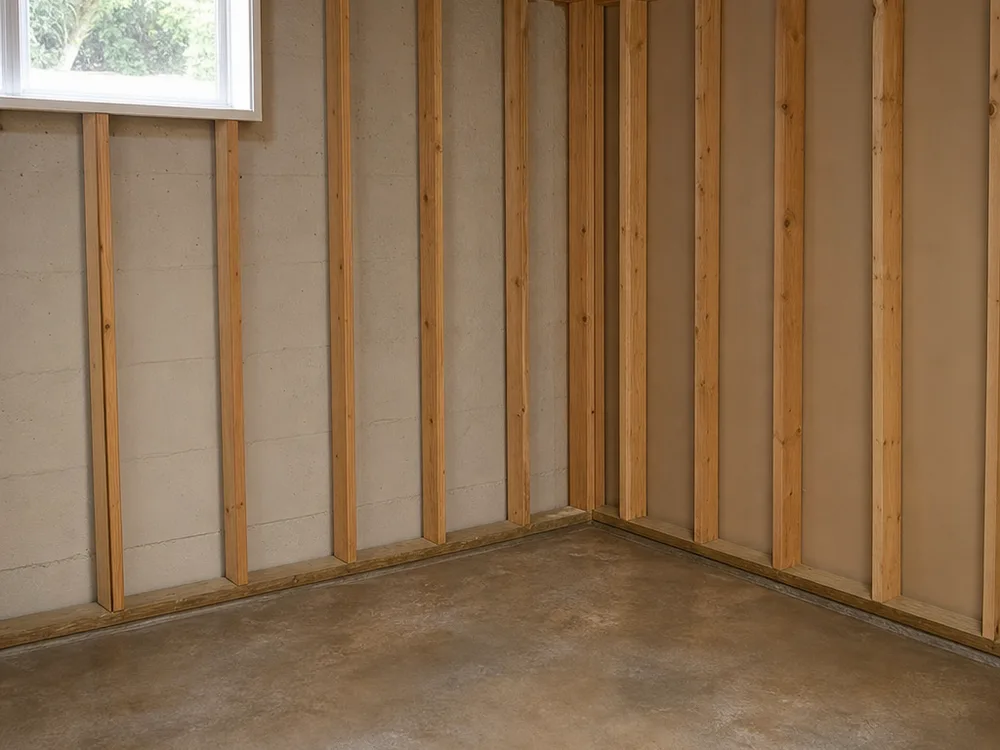
Porous materials that are moldy or water-damaged often need removal because they cannot be reliably cleaned through their full thickness. A contractor will explain which materials are candidates for cleaning and which are candidates for removal based on how far contamination has penetrated.
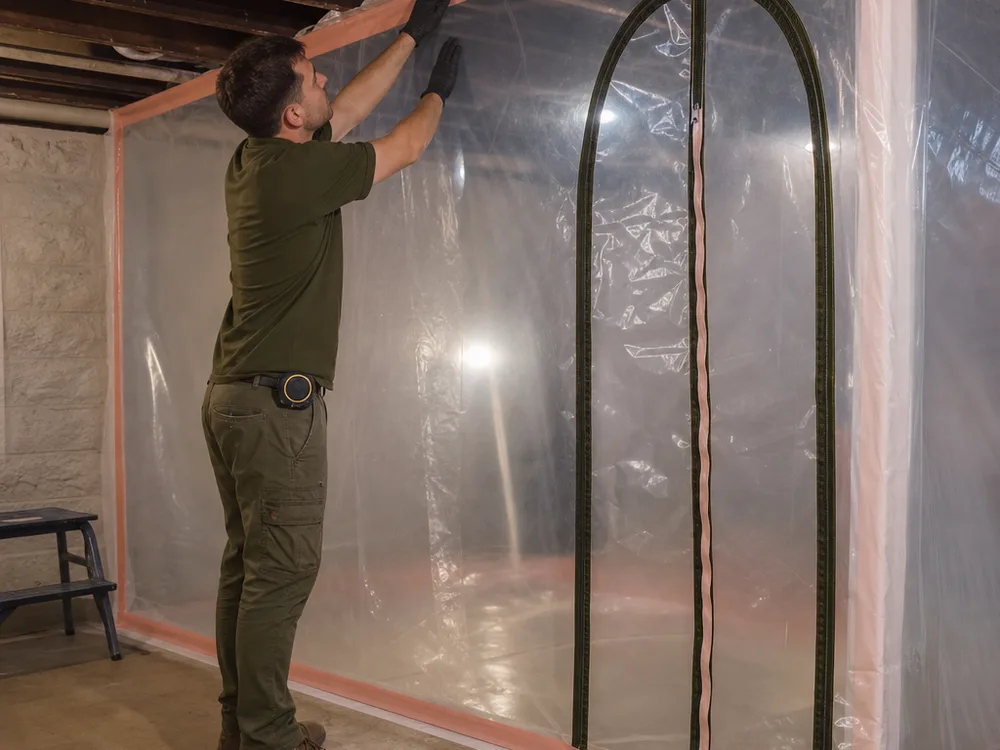
Containment and airflow control are the core tools: sealed plastic barriers, a controlled entry, and HEPA-filtered negative air help keep disturbed spores in the work zone. This matters in homes where basements connect to living areas through joist bays, utility chases, or older return-air pathways.
That depends on where the work is and how access routes are set up. Basement-only containment may allow normal use of upstairs areas, while mold in a bedroom or around HVAC returns may require tighter controls and limited access until cleaning and drying are complete.
Reducing moisture helps, but avoid disturbing visible mold because that can release more particles into the air. If the area is safe to access, a dehumidifier can help lower basement humidity, and stopping the water source is important. Leave active moldy materials alone until the contractor advises the safest approach.
Testing is not always necessary to start responsible cleanup because the work plan is generally based on what is contaminated and how to remove it under containment. If boundaries are unclear, growth keeps returning, or documentation is needed for a rental or sale, the contractor can discuss whether sampling adds value.
Call Pittsburgh Mold Removal and describe the location, suspected moisture source, and affected materials. You'll be connected with a local contractor who handles black mold removal in Pittsburgh-area homes, and you can decide what to do after speaking with them.
Back to Pittsburgh mold removal for the full range of services.