Describe it once
Explain the musty odor, staining, past leak, or recent water event one time, then get connected with a contractor who handles inspections for that situation.
Serving Pittsburgh, Pennsylvania & surrounding areas
Calls answered around the clock
Describe what you're seeing once and get connected with a local contractor who handles mold inspections across Pittsburgh homes and buildings.
Describe the concern once
Connect with a local contractor
You choose whether to proceed
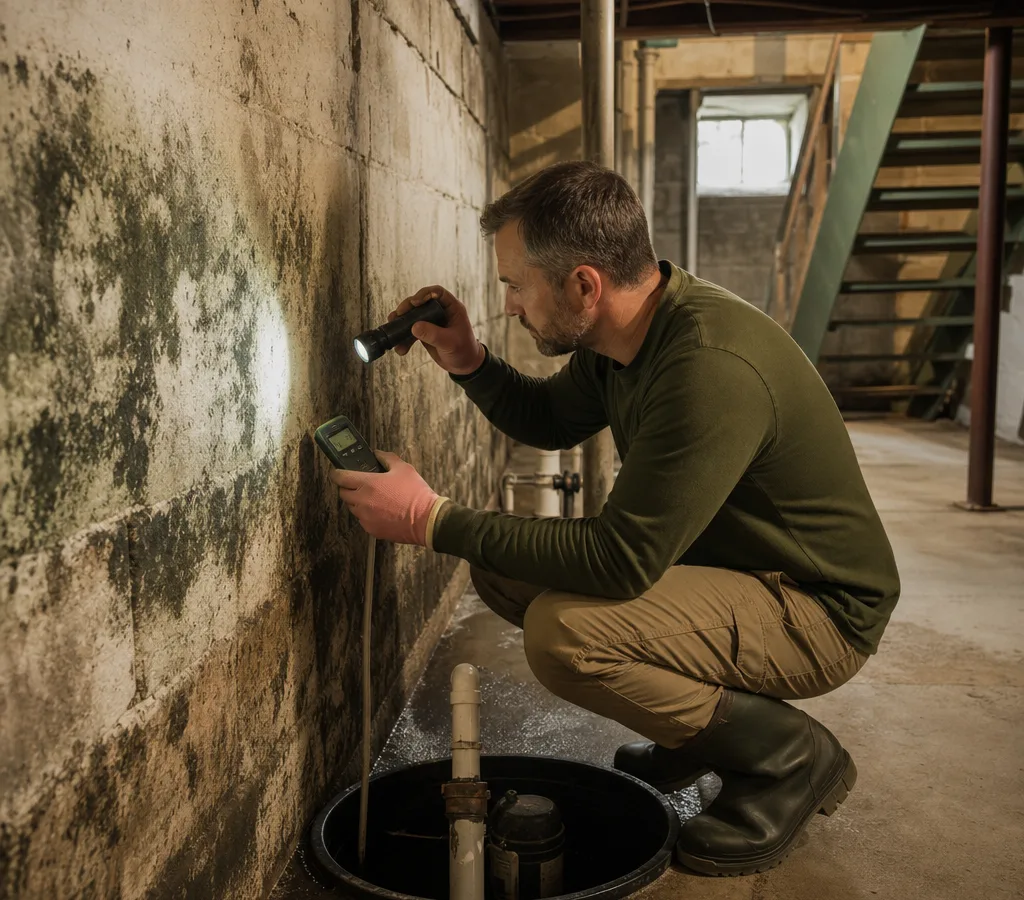
A mold inspection is a targeted look for moisture conditions and building materials that support mold growth, plus a clear explanation of where the risk is coming from. When you call about mold inspection Pittsburgh, we take your situation details once and connect you with a local contractor who performs inspections and can explain next steps.
Most inspection appointments focus on three things:
What you should expect as an outcome is a straightforward set of findings: where moisture is coming from or suspected to be coming from, what materials look impacted, and what areas deserve remediation attention. If sampling is appropriate for your situation, the contractor will explain options and how results are interpreted.
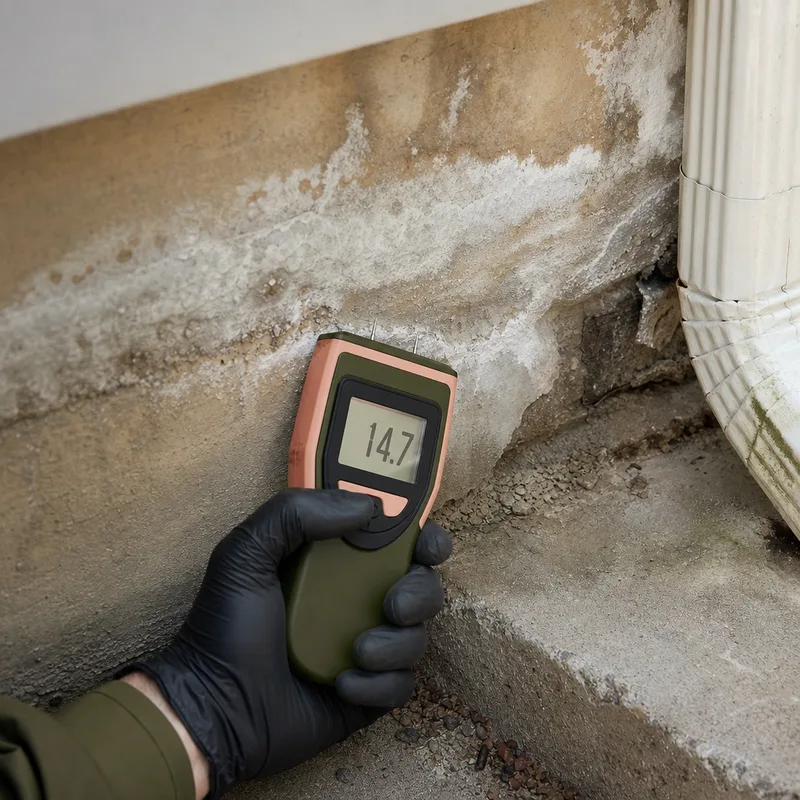
Local context matters. In neighborhoods with lots of older basements like Bloomfield and Lawrenceville, inspections often spend extra time on stone or block foundation walls, rim joists, and tucked-away corners behind shelving where humidity stays higher. In South Hills hillside areas, water movement toward foundations can also influence where staining shows up first, so the inspection typically traces patterns rather than focusing on one spot.
Explain the musty odor, staining, past leak, or recent water event one time, then get connected with a contractor who handles inspections for that situation.
The connection is to independent contractors who serve Pittsburgh and surrounding communities, so you're talking to someone familiar with local building styles.
You can confirm what the inspection includes, whether sampling makes sense, what areas will be checked, and what information the contractor needs from you.
You speak with the contractor directly, ask your questions, and decide whether to proceed with any follow-up work based on what you hear.
If you're dealing with a tenant complaint, a recurring odor, or a unit turnover, an inspection helps prioritize fixes and document conditions for planning.
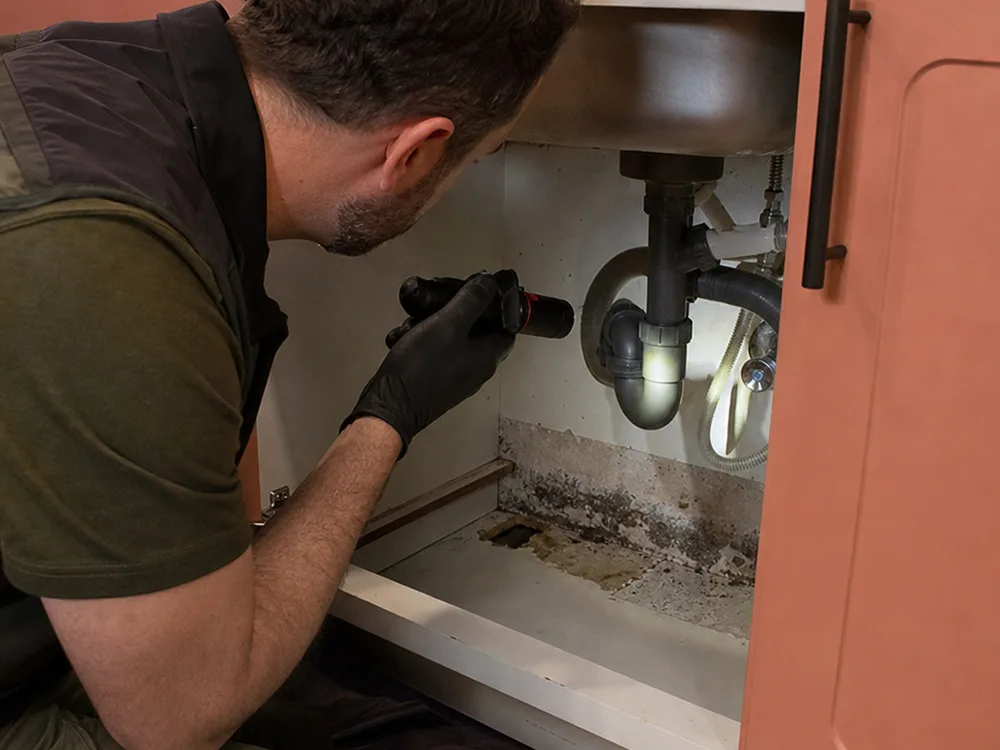
Share where you notice odor or staining, whether there was a leak or flooding, and which areas are accessible, such as the basement, attic, space behind furniture, or mechanical room.
We match your situation to a contractor who handles mold inspections in Pittsburgh-area homes and buildings.
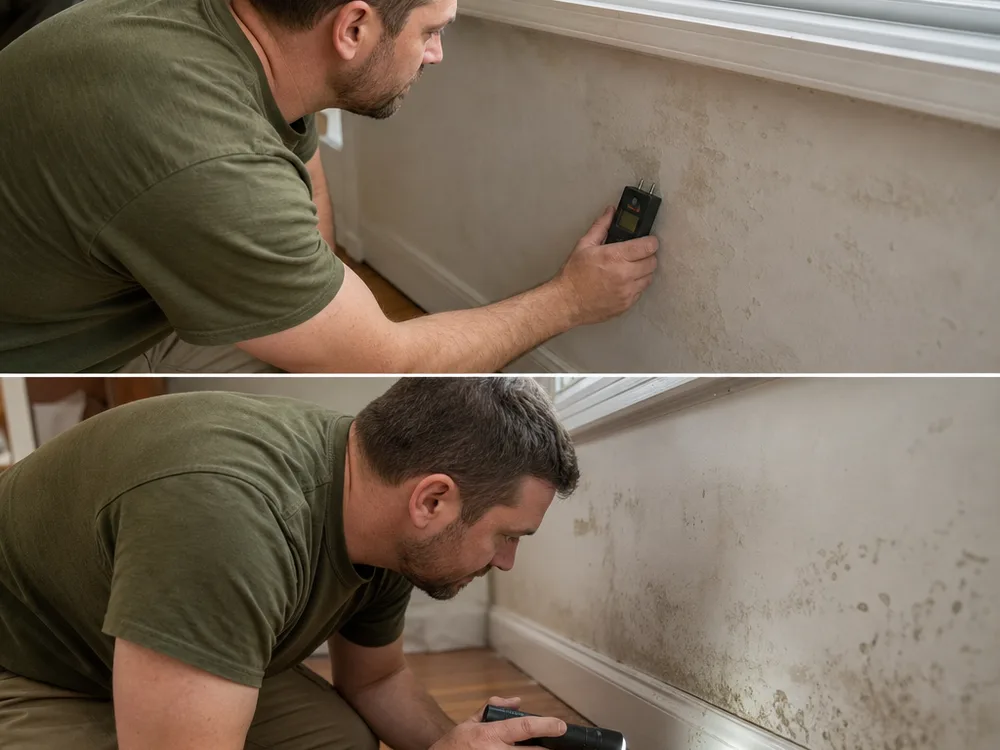
The contractor typically starts with a visual survey, then uses tools like moisture meters to verify damp materials and narrow down likely sources.
You'll hear what areas look affected, what is likely driving the moisture, and what options make sense next, including repairs, drying, containment, or remediation scope.
If you're seeing staining, peeling paint, warped baseboards, or a musty smell that won't leave, an inspection helps separate an active moisture problem from old damage. Describe what's going on once and get connected with a local contractor who can evaluate it.
CALL NOW: 412-899-1978Make the areas of concern accessible and share any history you know about leaks, overflows, roof issues, or past repairs. In Pittsburgh homes, basement storage often blocks foundation walls, so moving a few items away from stained areas can help the contractor confirm what's going on.
A useful inspection focuses on moisture first, because mold follows water. The contractor will typically look for leak paths, condensation points, and building conditions that keep materials damp, then relate visible growth to those conditions.
Sampling is most helpful when you need added confirmation, you can't see the suspected growth, or you're comparing conditions across rooms or units. The contractor you speak with can explain whether air or surface sampling fits your situation and how results are used in planning.
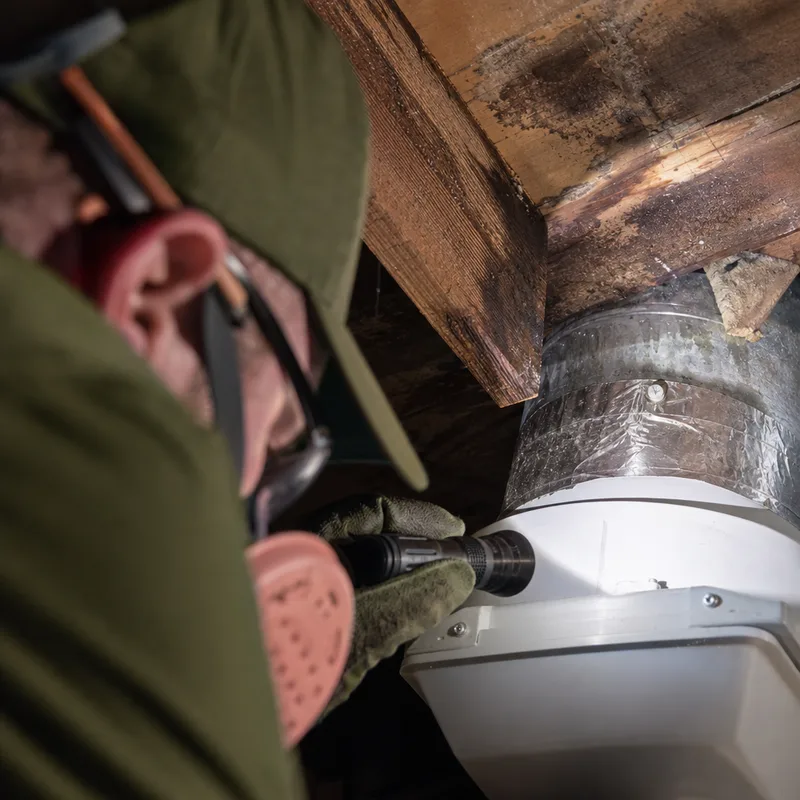
Basements and rim-joist areas are common trouble spots because they can stay cool and humid, especially when outside air enters through gaps and meets cooler surfaces. Another frequent issue is bathroom exhaust that doesn't fully route outdoors, which can leave moisture in attics and wall cavities.
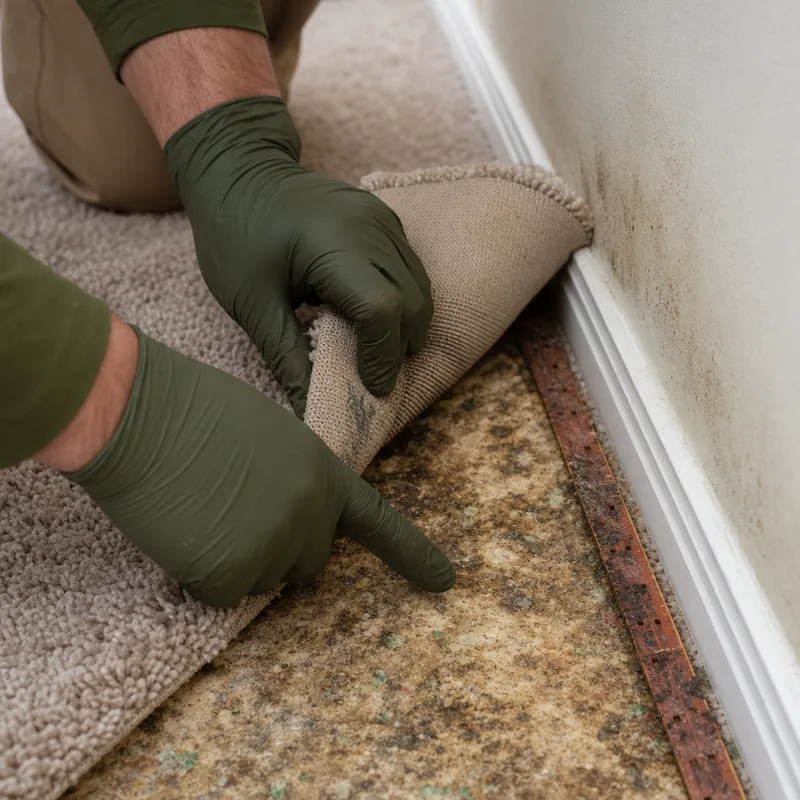
If water reached drywall, insulation, carpet, or stored items, an inspection can help determine whether materials stayed damp long enough to become a mold risk. The contractor can also point out places that dry slowly in basements, like behind paneling, under flooring, or inside finished wall cavities.
An inspection is often the first step when the source isn't clear or the affected area might be larger than what you can see. If you already know you need cleanup work, you can compare options after you understand the likely scope; some homeowners start by discussing mold removal in Pittsburgh once inspection findings point to a defined area.
Start with the location, such as the basement, bathroom, attic, or bedroom; what you noticed, such as odor, staining, fuzzy growth, or peeling paint; and any trigger event, such as a pipe leak, roof leak, overflow, or seepage after rain. Mention if the area is finished or unfinished, because that changes what the contractor may need to inspect behind surfaces.
Talk through what you're seeing and where it's showing up. We'll connect you with a local Pittsburgh-area contractor who handles mold inspections and can explain what the findings mean for your next steps.
Back to Pittsburgh mold removal for the full range of services.